The IEK-CHANGES team shares fieldwork experiences at a LASEG lab meeting
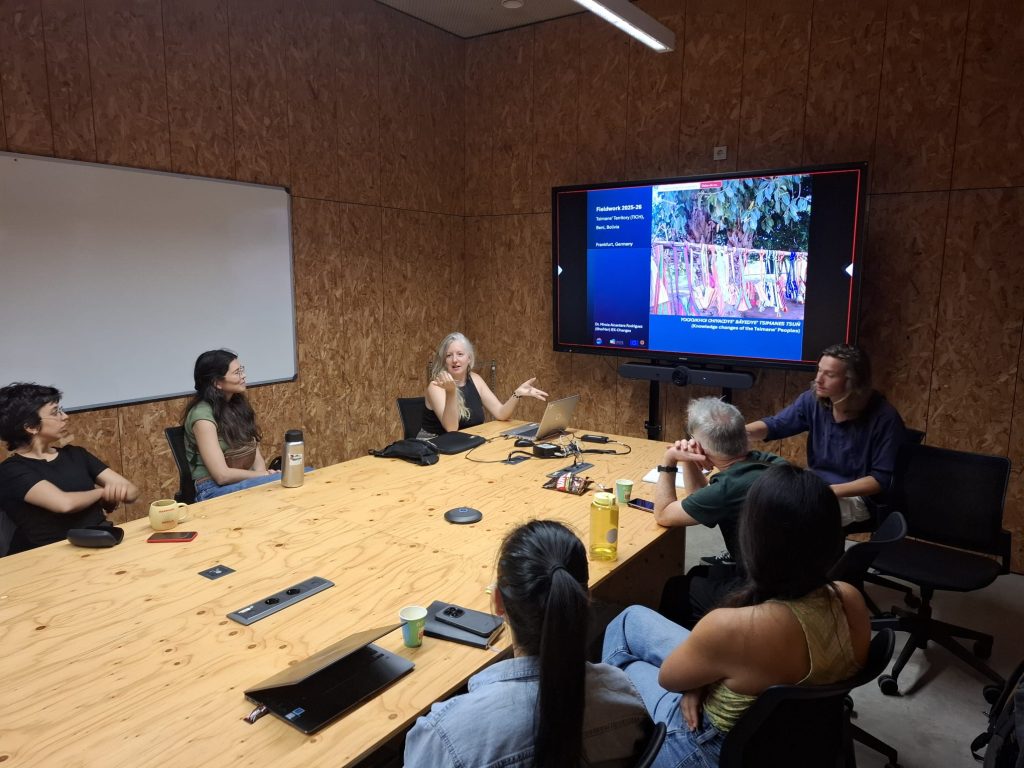
The IEK-CHANGES team recently joined a lab meeting at LASEG (Laboratory for the Analysis of Social-Ecological Systems in a Global World), our broader research group at the Universitat Autònoma de Barcelona, to share updates and reflections from a full year of fieldwork in the Bolivian Amazon. During the session, team members reflected on their experiences […]
The PI of IEK-CHANGES reflects on forest conservation at the Barcelona Climate Week
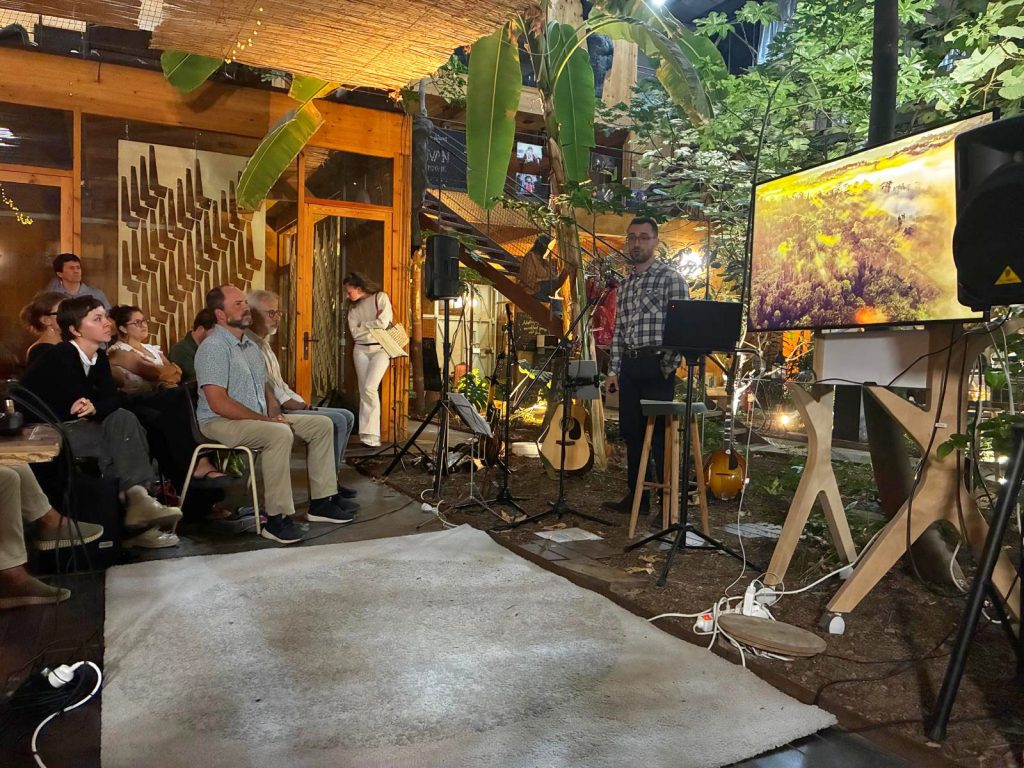
Álvaro Fernández-Llamazares, Principal Investigator of the IEK-CHANGES project, gave a talk entitled “What does it mean to conserve a forest?” at RESONANCE, an event held on 14 October as part of Barcelona Climate Week. Drawing >10 years of ethnographic work with the Tsimane’ people in the Bolivian Amazon, Álvaro reflected on the importance of recognising […]
Álvaro Fernández-Llamazares joins Second IPBES Author Meeting in Bangkok
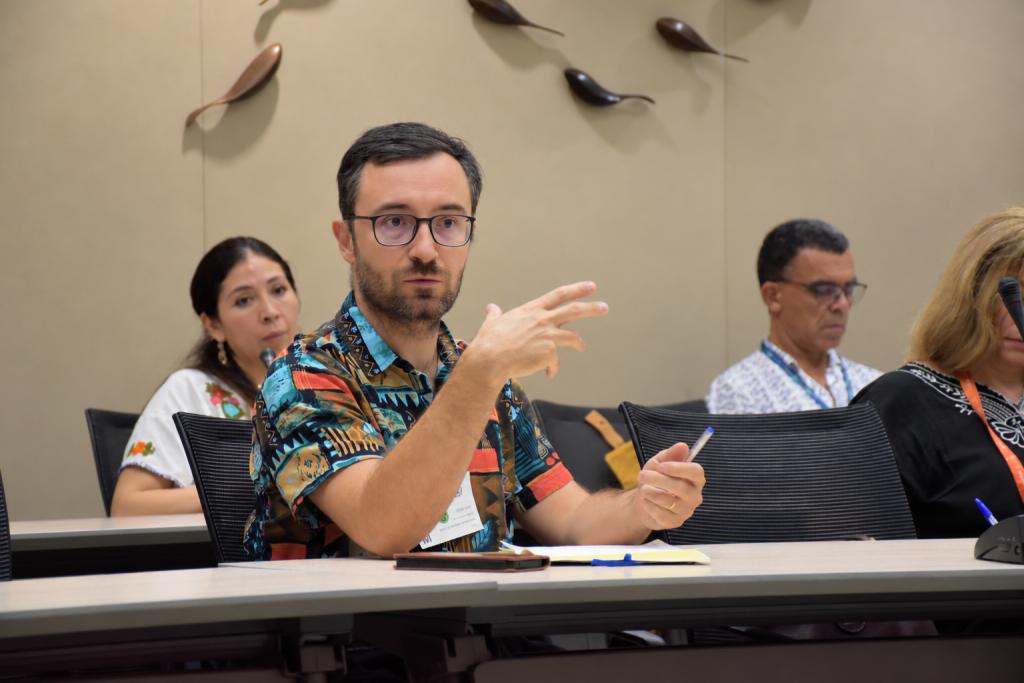
Álvaro Fernández-Llamazares, Principal Investigator of IEK-CHANGES, is participating this week in the Second Author Meeting of the Second Global Assessment of the Intergovernmental Science-Policy Platform on Biodiversity and Ecosystem Services (IPBES), taking place in Bangkok, Thailand, from 5 to 9 October 2026. The meeting brings together the authors of the assessment to advance the development […]
Working together: women, care and action-based research in the Bolivian Amazon.
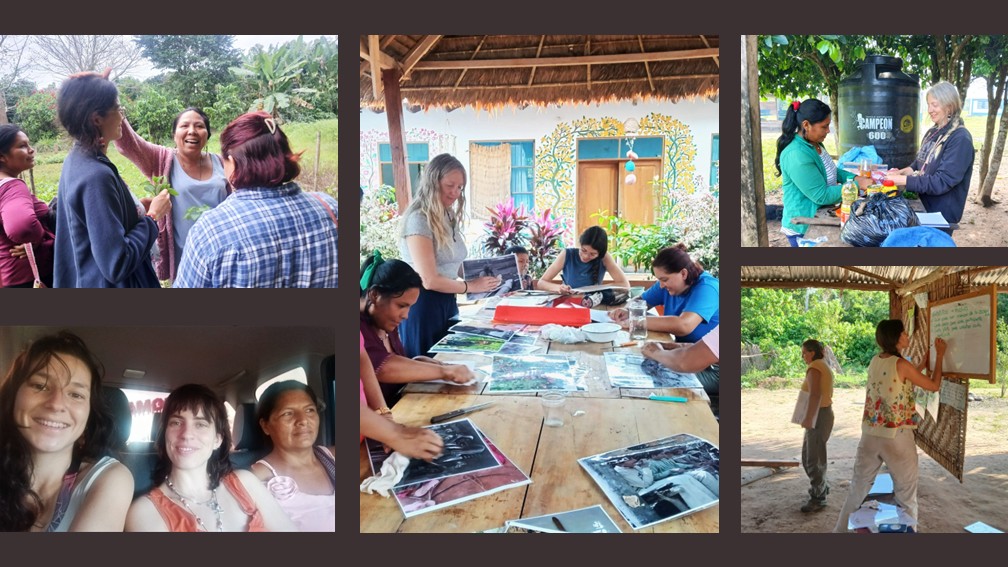
Written by Mireia Alcántara Rodríguez. How do we move from theory and one-way projects (that favor researchers) to action-based research? While there isn’t a simple answer, we can start with two things: empathy and love. This isn’t some cheesy argument, but reality itself – or at least, as we have experienced it. Gloria Steinem (1934–2026) […]
Alex Gilbert has successfully defended her MSc thesis!
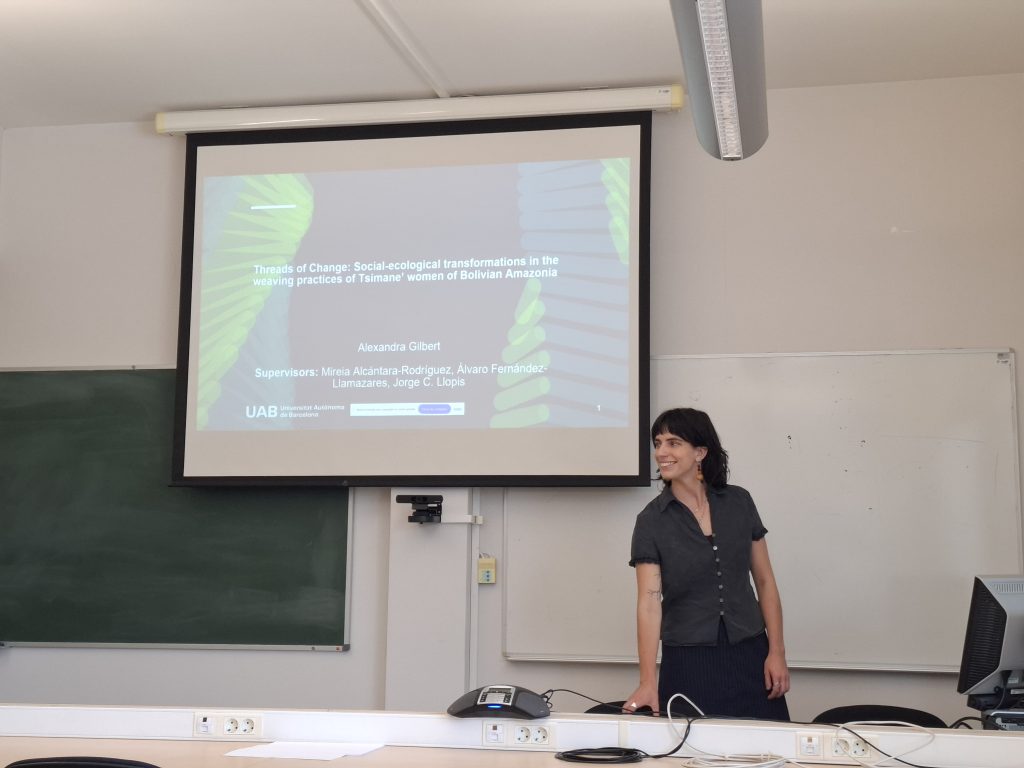
Today, our dear Alex has successfully defended her MSc thesis “Threads of Change: Social-ecological transformations in the weaving practices of Tsimane’ women of Bolivian Amazonia”. It has been such a pleasure to see her present her work with confidence, clarity, depth, and, above all, with the care and passion that she has put into this […]
Crafts and cultural practices of the Tsimane’ People/Mo’ jäm’ tãcdye’ tsũñ jũdyeya’ me’jeyacdye’ tsũñ mo’ khuisi’ yicdye’ tsimanes tsũñ.
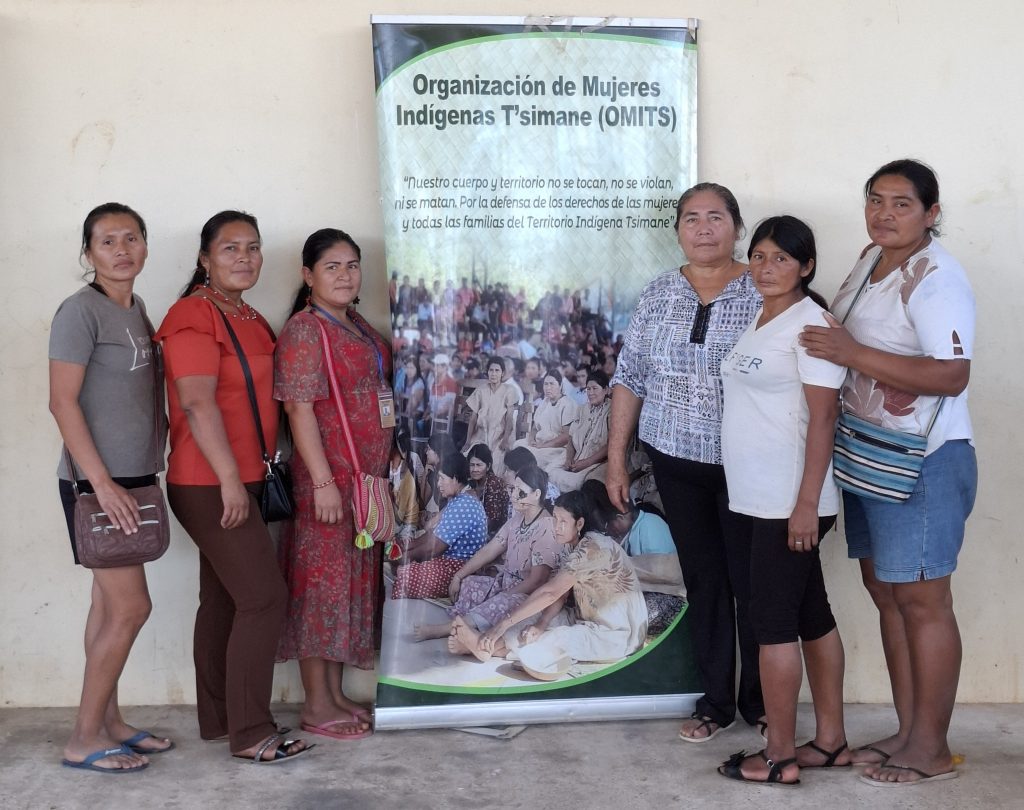
Told by women from OMITS (Organisation of Tsimane’ Indigenous Women). Isabel Cunay Cayuba, Yesenia Vie Durvano and Celia Rosa Sánchez Making handicrafts is very important to ensure we do not lose our culture. We women engage in a wide variety of crafts, such as: shoulder bags, hammocks, mats, necklaces and tapi brooms; and in the […]
A new publication led by Sven Kock
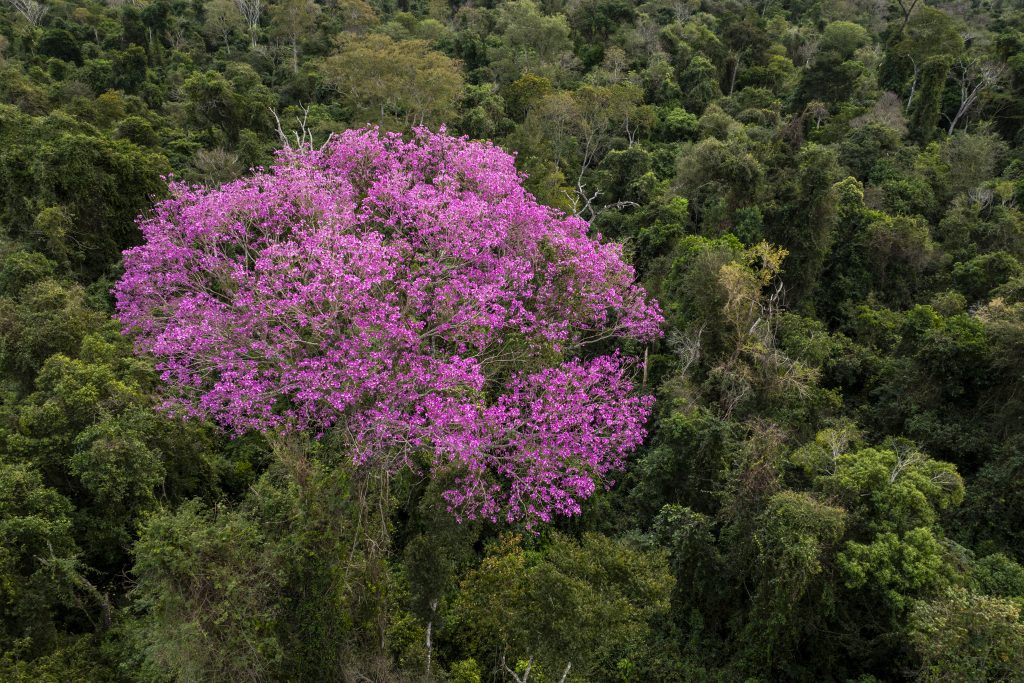
We are delighted to celebrate a new paper led by Sven Kock, developed from his MSc dissertation within the IEK-CHANGES project and now published in npj Biodiversity, an important journal in the Nature Portfolio family. The study examines how we assess tree species richness in Indigenous Peoples’ Lands, using Bolivia as a case study. Sven […]
The culture of Tsimane’ women through their own voices/Yicdye’ pensi mo in tsimanes anic sistun äjyedue’
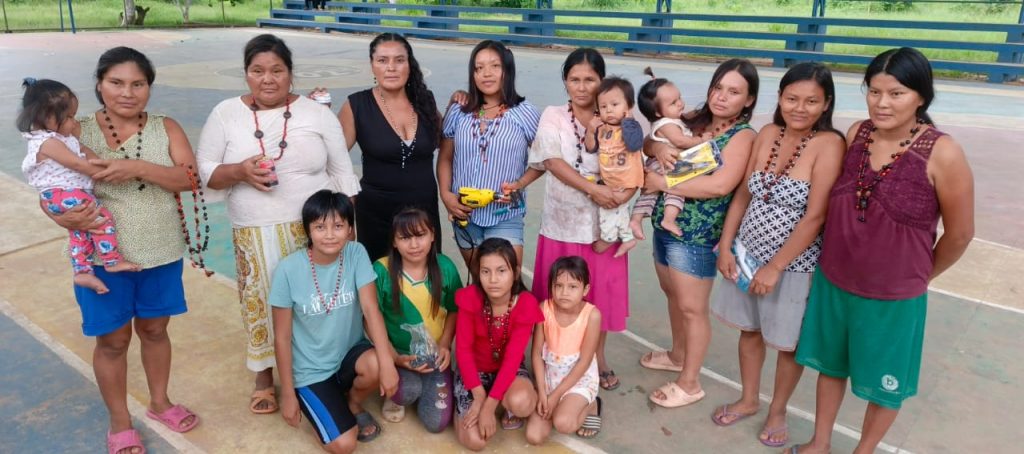
Told by the Tsimane’ Women Artisans’ Association PHANAKIS. We Tsimane’ women work: we cook, wash, look after our children, and work on our farmland; when someone falls ill, we tend to them. We also fish, hunt, sell plantains, weave and make handicrafts (marico, necklaces, mats, hats, etc.). We do all this to buy food for […]
Balancing fieldwork and a multispecies family: Golfito, the best life (and research) partner.
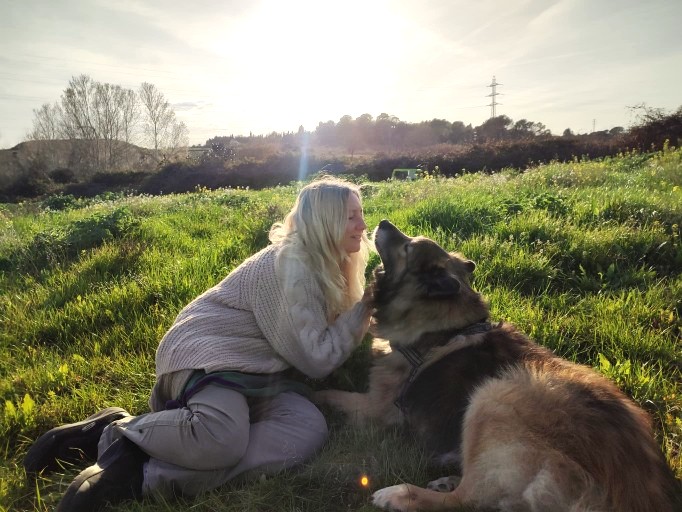
Written by Mireia Alcántara Rodríguez. Balancing research with family life can be complex, especially during so-called fieldwork, even more so when it takes place in remote areas. We know there’s still a long way to go toward true work-life balance (especially for mothers) when it comes to children, but how do we manage it with […]
Weaving networks amongst Women
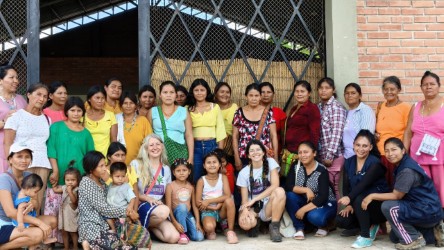
On Saturday, August 15, we brought together 13 women’s organizations and groups working in the Tsimane’ Indigenous Territory (TICH). Among them were representatives from the Tsimane’ Indigenous Women’s Organization (OMITS), the Upper Maniqui River Women’s Network, and the Training and Service Center for the Integration of Women (cecaseM), with whom we co-organized this event. The […]