Weaving networks amongst Women
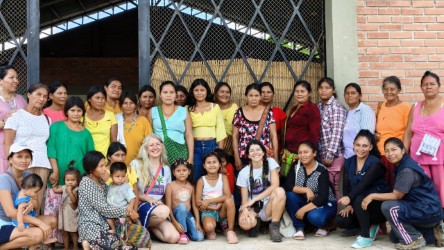
On Saturday, August 15, we brought together 13 women’s organizations and groups working in the Tsimane’ Indigenous Territory (TICH). Among them were representatives from the Tsimane’ Indigenous Women’s Organization (OMITS), the Upper Maniqui River Women’s Network, and the Training and Service Center for the Integration of Women (cecaseM), with whom we co-organized this event. The […]
A “Forest” in the city: our home in Bolivia for almost a year.

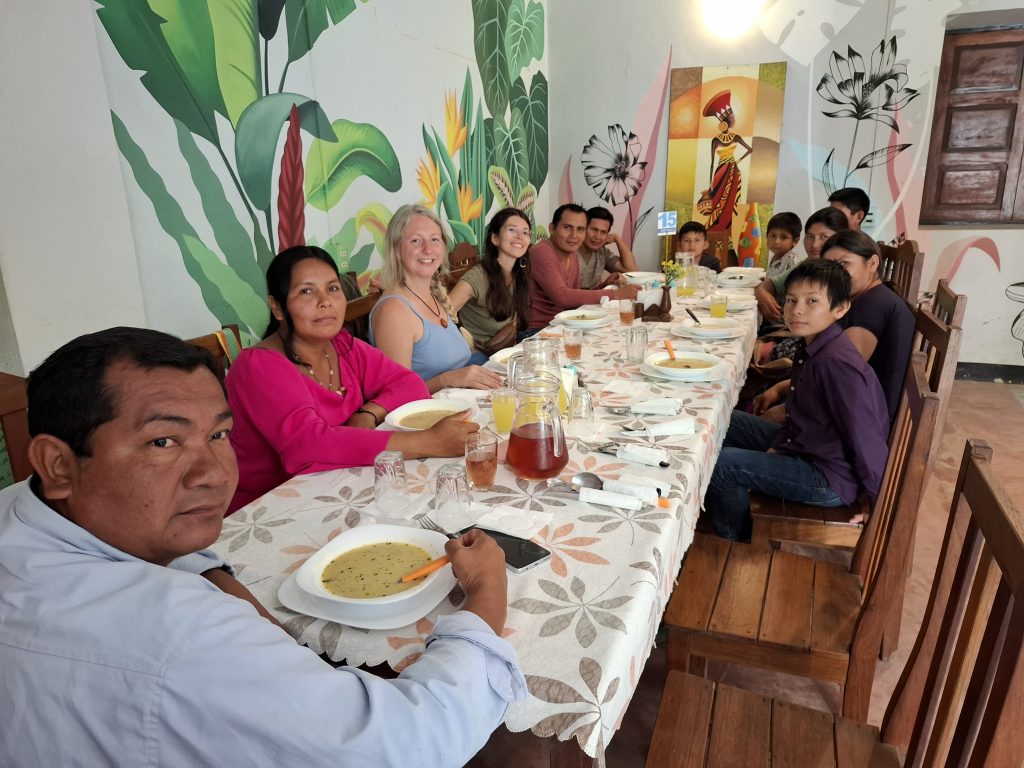
It is with a heart both heavy with sadness yet full of love and gratitude that we say goodbye to the people who have taken the best care of us during our time in Bolivia: the owners and staff of the El Bosque hotel. They were always there to welcome us when we arrived utterly […]
Many thanks to our Tsimane’ co-researchers
After more than a year of working side by side, today we had to say goodbye to our dear Tsimane’ co-researchers. As experts in the traditional knowledge of their territory, they were the bridge between cultures. They have mediated between different epistemic systems and taught us their values and ways of relating to the environment […]
Collaborating with Justina Canchi and Viqui Sánchez
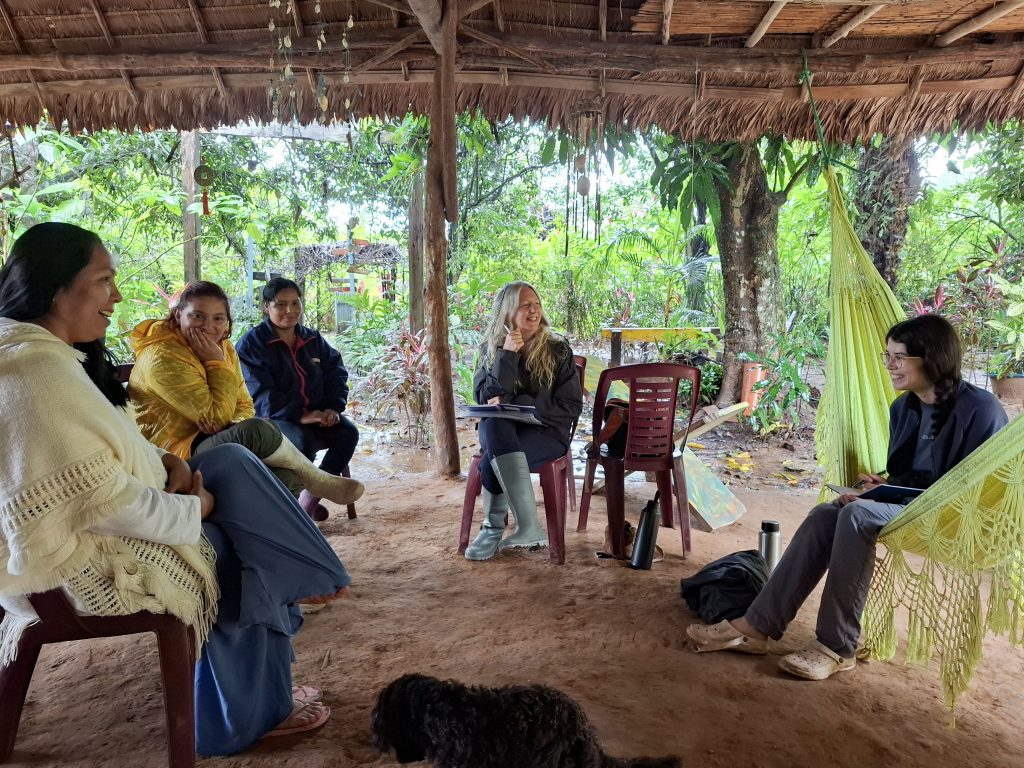
After days and weeks of long, in-depth discussions with Justina Canchi about the situation of women in Tsimane’ territory and their key role in a prosperous future, we have decided to support the women of the Maniqui River in creating an artisans’ association. We were delighted to have Virginia Sánchez (Viqui) join us on our […]
Participatory methods and decolonizing science
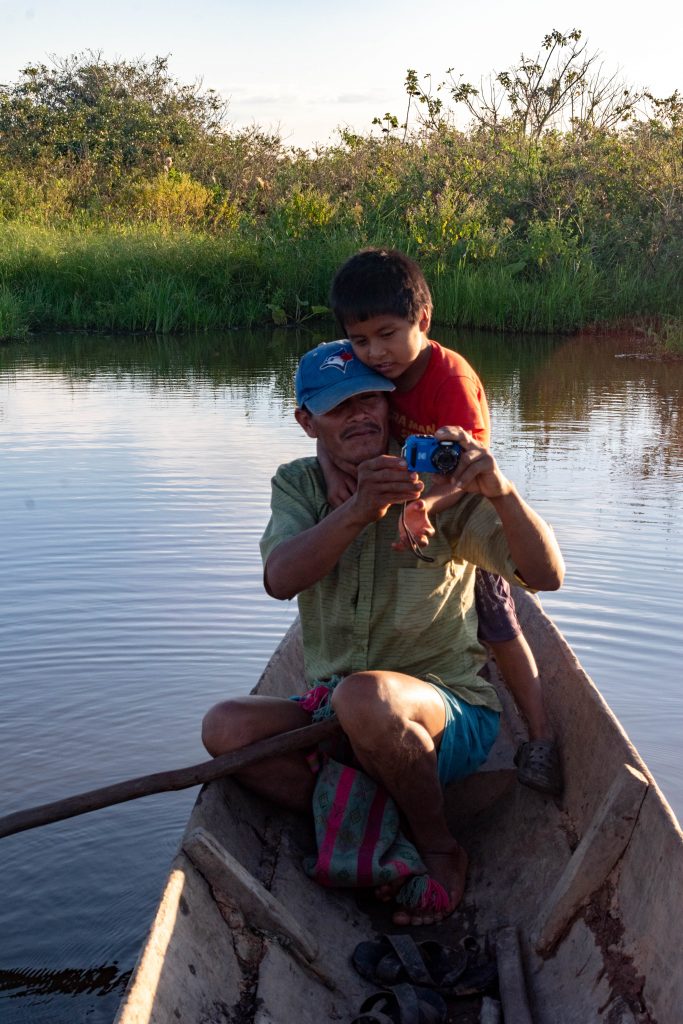
Our team is committed to working towards the end of coloniality in science and uses participatory and decolonial methodologies designed to foster collaboration, reciprocity, and co-production of knowledge. One of the methods we use is “photovoice”. Here, the people who want to work with us are handed out cameras. A research question is asked, and […]
A mural envisioning the future
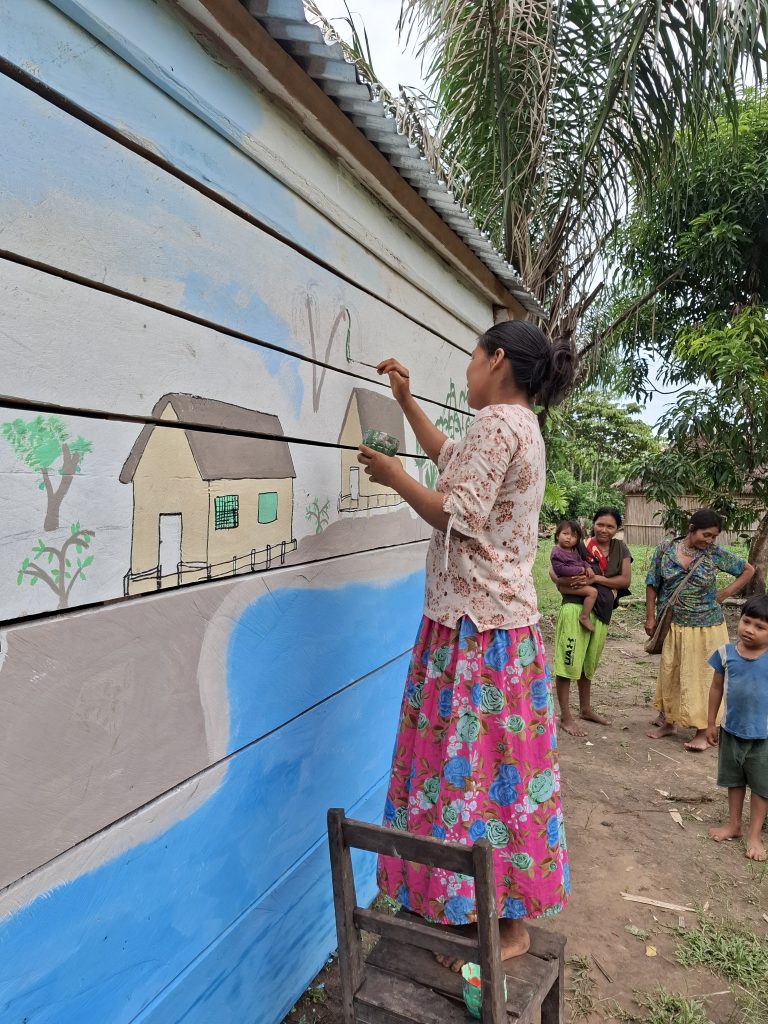
During our last trip to the upriver communities, we held four workshops to discuss Tsimane’ culture. Using photographs taken by community members, we worked together to identify the key cultural aspects that define what it means to be Tsimane’. These included living close to the forest and the river, hunting, fishing, making and using saraij […]
Collaborating with Tsimane’ leaders
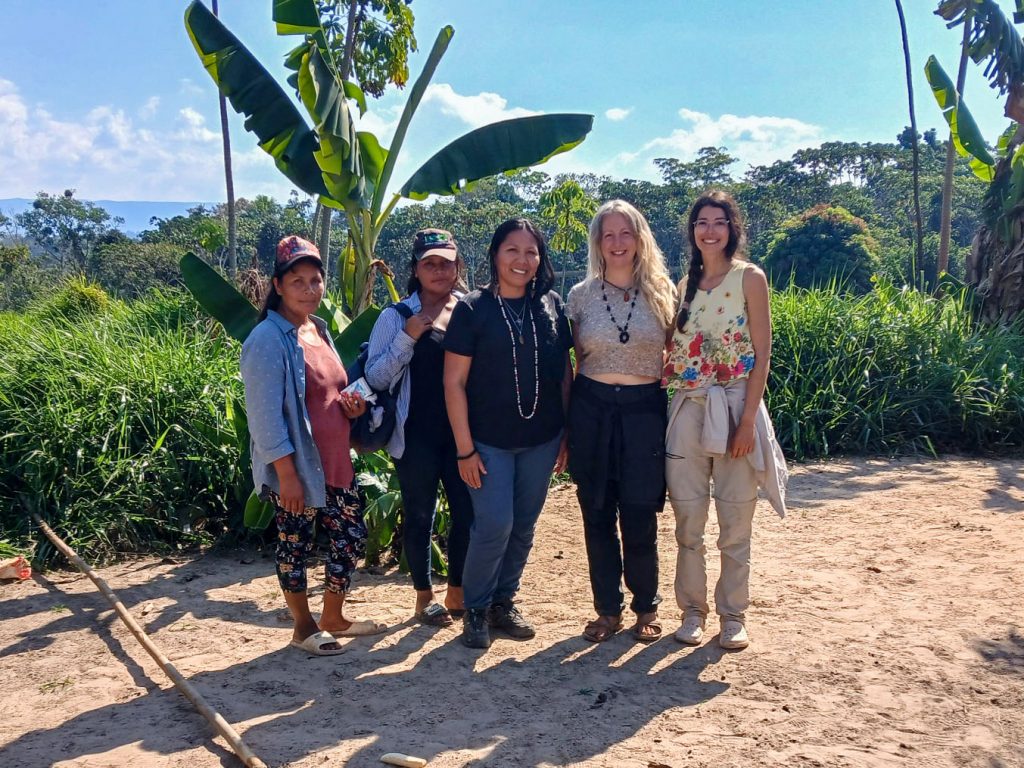
Our partnership with Tsimane’ leaders continues to thrive. On our most recent upriver journey, we spent four days with Justina Canchi, coordinator of the “Red de Mujeres del Río Maniqui Zona Alta.” Justina regularly convenes women from villages along the river, fostering a space where knowledge, crafts, and mutual support flourish. In a region where […]
Honoring Tsimane’ Language and Culture
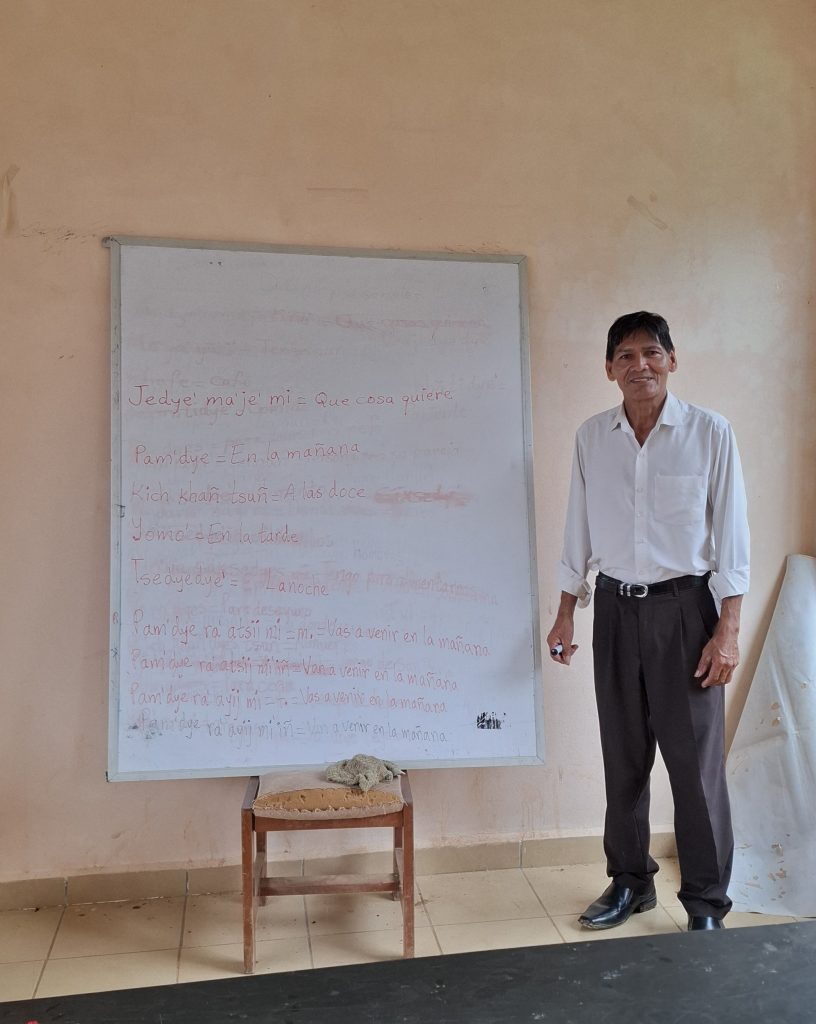
We are once again taking Tsimane’ language classes with Professor Manuel Hiza from the Instituto de Lengua y Cultura Tsimane’. Learning the local language is essential for effective communication. It is a sign of respect and appreciation for the culture, and a demonstration of our commitment to bridging gaps and building deeper connections with the […]
Celebrating International Women’s Day 2026
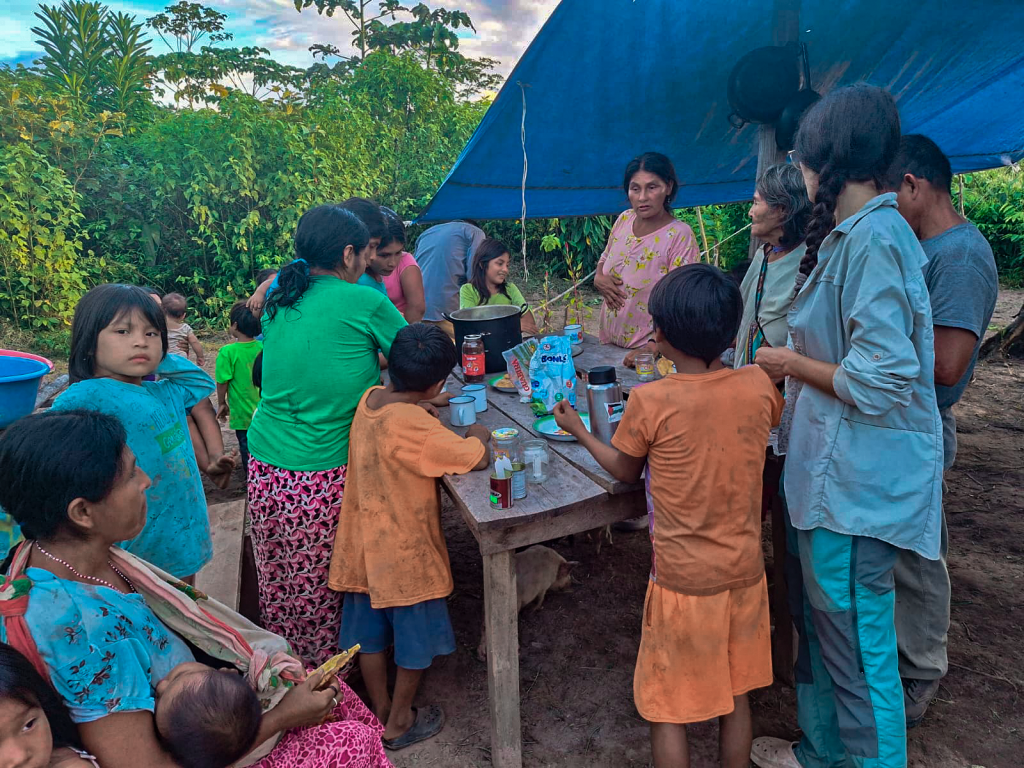
This year, for International Women’s Day, we couldn’t join the global demonstrations advocating for equal rights and an end to sexual violence, as we were back in the field. Instead, we marked the day by inviting the women of the village for coffee and beignets—prepared by Salomón—and a conversation about what they would change in […]