
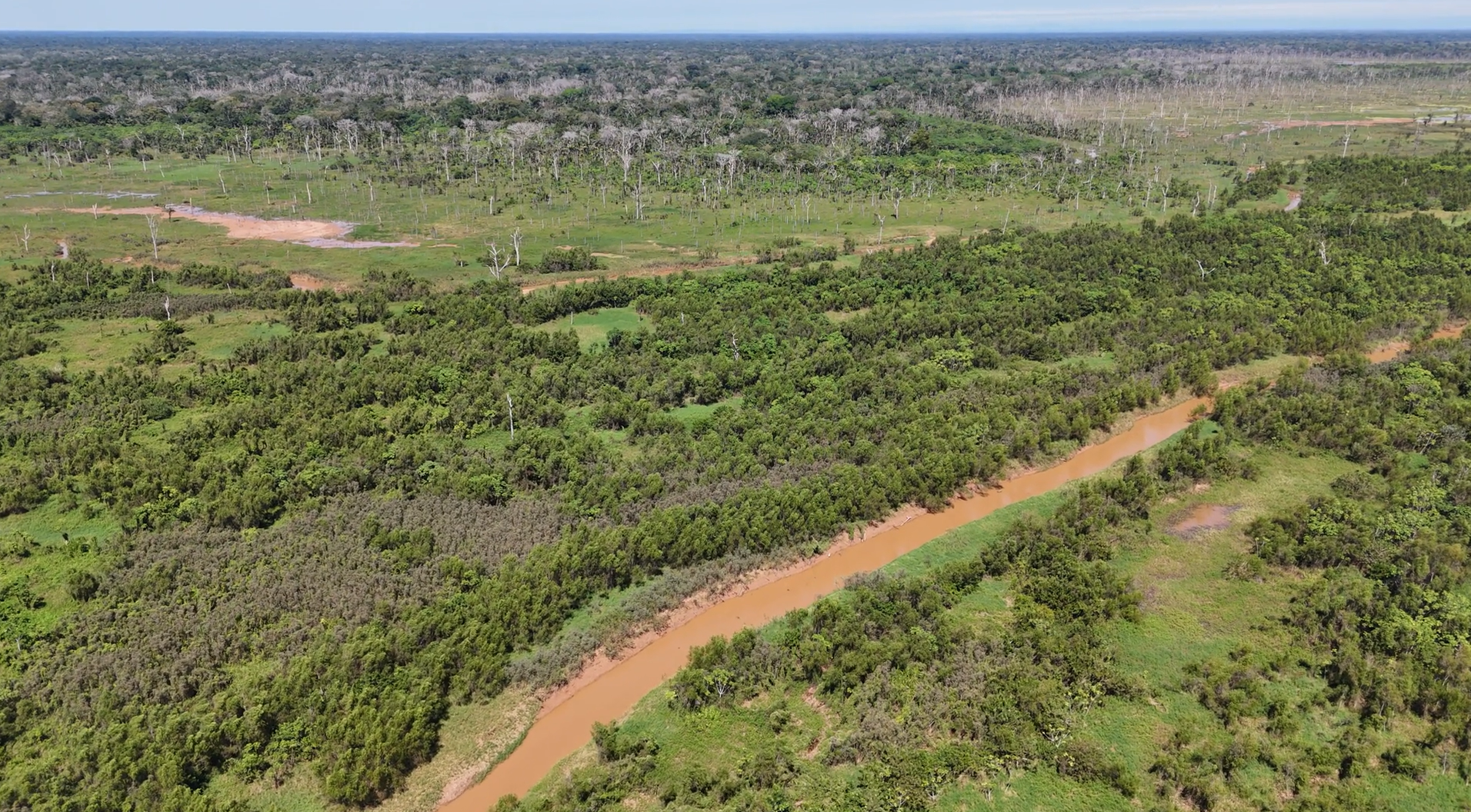
Last week, Jorge completed his long awaited visit to the end of the Maniqui River, where the palizada is believed to have started forming decades ago. Thanks to this trip and the visit to Tsimane’ and campesino communities in the area, Jorge learned how the palizada originated, the many times that the Maniqui changed course, and the extent of forest die-off events in the area. More importantly, he also got to understand how the impacts that local communities are facing since the issue began have evolved, and especially, learned about the fate of some of the families that had to abandon their communities due to the recurrent flooding events they were experiencing.
While the wealth of data Jorge gathered through this trip is still to be processed and analyzed, the understanding that will be derived from that data is expected to help provide context to the current state of the palizada and inform the interpretation of research findings. Further, and critically, the conversations held with local people will help to ensure that future management initiatives to tackle the most pressing problems the palizada is driving include the perspective of all communities experiencing the worst effects of the phenomenon.