“What we cannot imagine, cannot come into being” (bell hooks, 1952-2021)
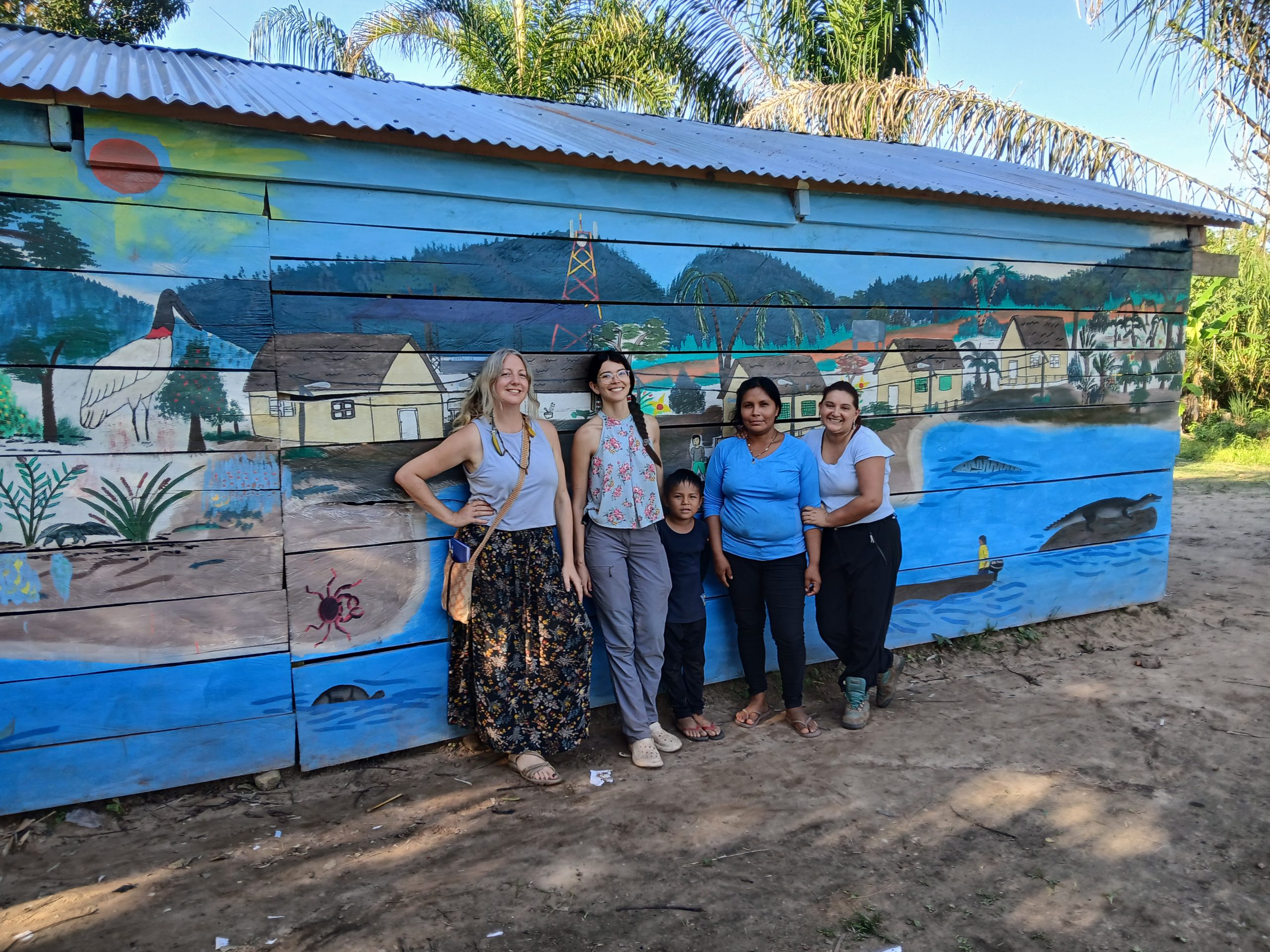
On our most recent journey up the Maniqui River, our team consisted entirely of women (with the exception of two Tsimane’ translators/co-researchers). This trip was the last (for the time being) that we undertook upstream to work with the most remote communities.
We monitored and evaluated certain projects that had already begun (such as the creation of the mural where the communities envisage their futures, wildlife transects, the collection and documentation of plants and their uses, and soil sampling). We also continued with the projects we had launched in San Borja (the exhibition of historical and contemporary photographs of cultural practices) and initiated others (such as the craft associations).
It was a very productive and enriching experience, during which we realised that many of the projects we had envisaged at the outset were becoming a reality. At the same time, new ideas were emerging, spurred on by the ongoing projects and at the request of the Tsimane’ people.
On our return journey, we travelled down the river with a certain sense of sadness (at having to say goodbye to the community members) but also of satisfaction. Despite our doubts, uncertainties and insecurities, we have poured all our energy and affection into these projects and have not only survived, but we’ve made it!
We encourage the women and girls reading this who have ever thought about pursuing a career in research – particularly in interdisciplinary projects involving fieldwork in conditions considered ‘extreme’ (well, perhaps we should rethink that concept) – not to doubt that they are capable! As (mostly) neurodiverse women and researchers, working in areas where science and culture intersect, we can assure you that there will be challenges to overcome, but if you have the opportunity and can imagine it, as they say in Bolivia: ¡se puede!