
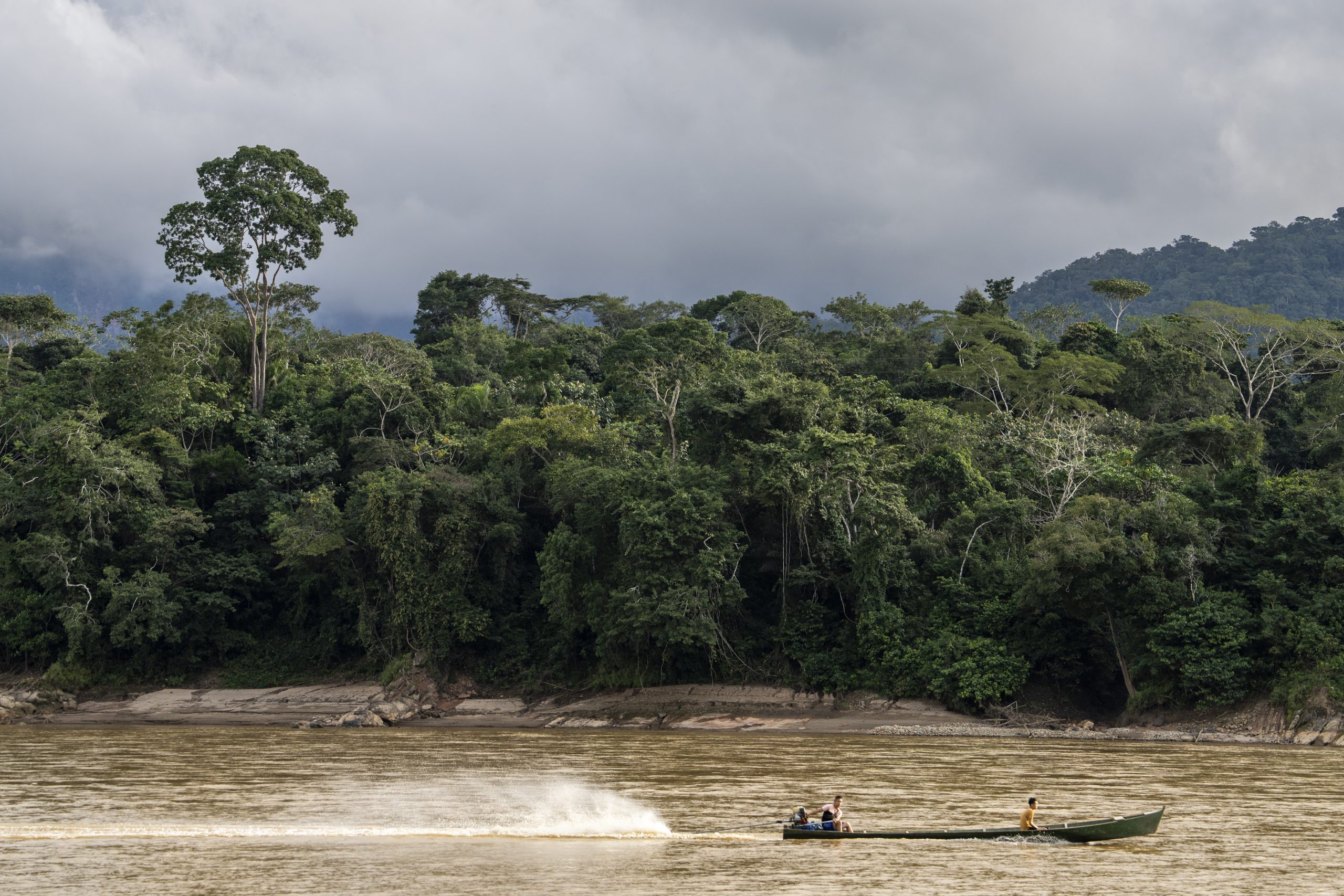
How effective are UNESCO’s biosphere reserves at protecting Amazonian forests? Our new study published in the journal Conservation Science and Practice provides encouraging evidence that they play an important role in slowing deforestation across the western Amazon.
The study assessed seven biosphere reserves in Bolivia, Peru, and Ecuador, including Pilón Lajas and Beni, two landscapes inhabited by the Tsimane’ people and home to much of the fieldwork carried out by the IEK-CHANGES project. The findings show that these reserves have collectively prevented the loss of thousands of square kilometres of forest over the past two decades, highlighting the value of rights-based, participatory conservation models.
For IEK-CHANGES, these findings provide important regional context for our work documenting long-term changes in Indigenous environmental knowledge. Understanding how forests are changing (and the governance systems that help conserve them!) is essential for understanding how biocultural heritage can continue to thrive in the future.
Congratulations to our colleagues and co-authors on this exciting publication!
Reference:
Gonzaga Roa, A., Cabeza, M., Brondizio, E. S., Luz, A. C., Sirén, J., Massoca, P. E., & Fernández-Llamazares, Á. (2026). Conservation effectiveness of seven biosphere reserves in the Western Amazon. Conservation Science and Practice, e70292. https://doi.org/10.1111/csp2.70292